AI Interconnection for Hyperscalers: Why the Network Is Now the Bottleneck If you are building hyperscale AI infrastructure and the network is part of the conversation, FD-IX.ai is worth talking to early
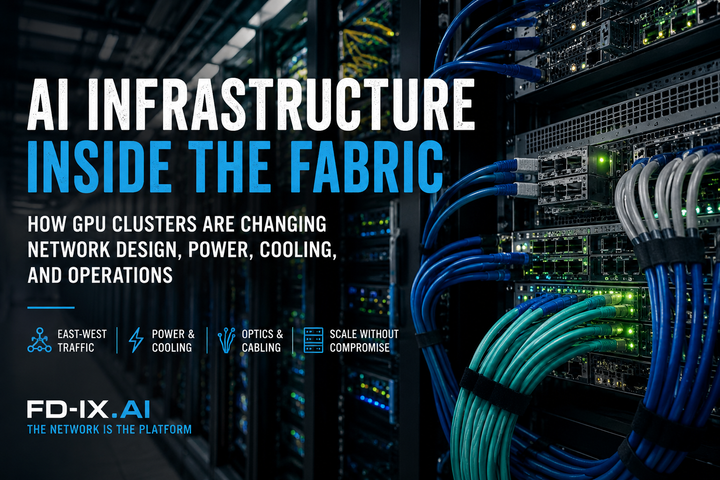
How AI Traffic Affects the Data Center AI infrastructure pushes data center networks much harder than traditional enterprise workloads ever did. GPU clusters constantly exchange traffic between nodes during training jobs, which keeps east-west links busy for long periods instead of short bursts toward the Internet.
Let's talk AI interconnection at MBOC 2026 The Midwest broadband community is showing up strong. Vendor tables at MBOC 2026 are completely sold out, and we're thrilled to be in the room. Join other vendors and us at the Embassy Suites in Plainfield, IN on May 13th for a full day of talks, panels, and
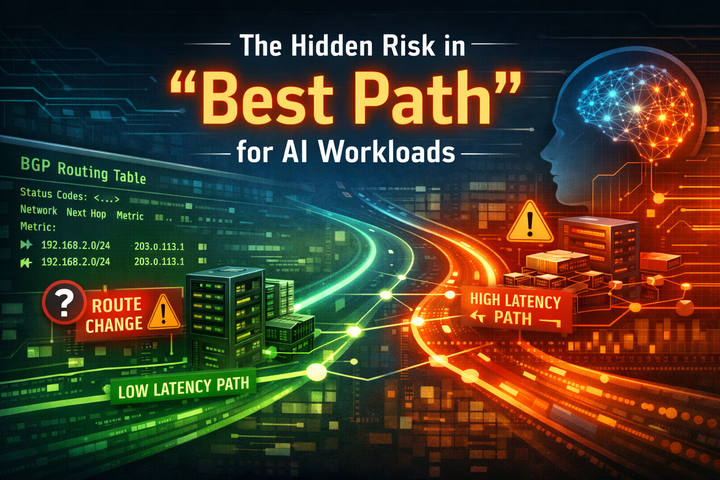
The Hidden Risk in “Best Path” for AI Workloads The phrase “best path” sounds more reliable than it really is. In Border Gateway Protocol (BGP), the best path does not mean best for the application. It means the best path based on the attributes the router sees at that moment. BGP defines attributes used to make routing decisions. Traditional
Solving Data sovereignty through Interconnection Data sovereignty is often treated like a legal checkbox, but the real control lies in the network design.
Neoclouds: The Next Layer of Compute Gravity The term “neocloud” is frequently used in contemporary discussions, often to describe architectures that do not align with traditional classifications. Conventional cloud infrastructure was designed for general-purpose workloads, emphasizing elasticity, multi-tenancy, and a diverse range of applications capable of tolerating abstraction. In contrast, neoclouds depart from this model by being
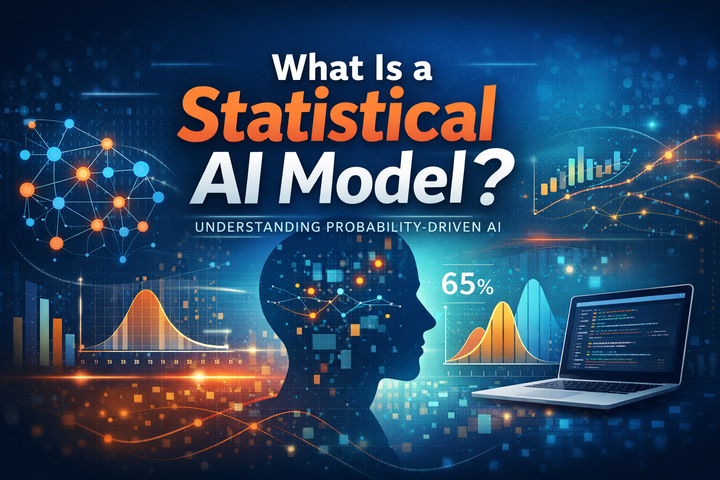
What Is a Statistical AI Model? A statistical AI model is a system that learns patterns from data and uses probability to make decisions or predictions. It does not “understand” things the way a human does. It finds relationships in numbers and uses those relationships to estimate what comes next. This matters because most modern AI
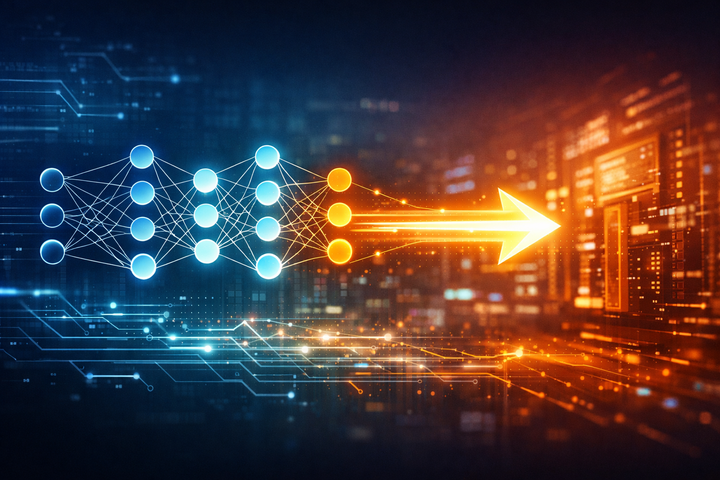
The One-Way Forward Neural Network:Feedforward Models Power Modern AI That design is called a one-way forward neural network, more formally known as a feedforward neural network.
Your GPUs Are Waiting on the Network Distributed training lives or dies on synchronization time. Every millisecond between clusters compounds across epochs.
AI Traffic Breaks Traditional Network Design Most networks were designed for north-south traffic. Users request data. Servers respond. Bursts come and go. AI does not behave that way. Training workloads generate sustained east-west flows between compute clusters. Model checkpoints move in waves. Synchronization traffic spikes across nodes. Storage and compute exchange data continuously rather than occasionally.
AI Infrastructure Is Not Traditional Peering AI workloads do not behave like web traffic. There is no clean “user → server → response” loop. Instead, you have clusters of GPUs exchanging data constantly.
Where Hyperscale AI connects There’s a shift happening in network design, and it’s not subtle. AI is changing traffic patterns in ways traditional infrastructure was never built to handle. It’s not just more bandwidth. It’s a different gravity. Data is no longer moving toward centralized hubs. It’s pulling workloads,
FD-IX introduces AI Gravity Most networks move traffic toward users. AI operates differently. It draws resources toward the compute environment. This effect is called AI gravity. Data, storage, and networks begin to cluster around large AI compute environments, just as planets pull objects into orbit. Once the compute lands somewhere, everything else starts moving